Discover Burger King’s Nutritious Menu Items
When it comes to fast food, many of us are looking for options that are both delicious and healthy. Burger King, a popular fast-food chain, has been catering to this demand by offering a variety of nutritious menu items.
The importance of having healthy options at fast-food chains cannot be overstated. With the rise of health-conscious consumers, restaurants are adapting to meet this new demand. Burger King’s menu now includes a range of choices that are not only tasty but also nutritious.
Key Takeaways
- Explore the healthier options available at Burger King.
- Understand the nutritional value of Burger King’s menu items.
- Discover how Burger King is catering to health-conscious customers.
- Learn about the variety of nutritious choices on Burger King’s menu.
- Get insights into making informed choices when eating fast food.
Understanding Burger King’s Approach to Nutrition
As consumers become more health-conscious, Burger King has adapted its approach to nutrition, focusing on quality ingredients and menu variety. This shift reflects the company’s commitment to providing customers with nutritious options that align with their dietary needs.
Burger King’s Nutritional Philosophy
Burger King’s nutritional philosophy emphasizes the importance of balanced meals and transparency. The company strives to offer a range of choices that cater to different nutritional requirements, making it easier for customers to make informed decisions.
Recent Menu Improvements for Health-Conscious Customers
Burger King has made significant improvements to its menu, introducing healthier options such as grilled chicken sandwiches and salads. These changes are designed to appeal to health-conscious customers without compromising on taste.
Transparency in Ingredient Sourcing
Transparency is key to Burger King’s nutritional approach. The company provides detailed BK Nutrition Facts and Burger King Food Information to help customers understand what they’re eating. This includes information on ingredient sourcing and nutritional content.
| Nutritional Information | Value per Serving |
|---|---|
| Calories | 350-500 |
| Protein | 20-30g |
| Fat | 10-15g |
The Complete Burger King Nutrition Menu Overview
Burger King takes pride in offering a transparent nutrition menu, empowering customers to make informed decisions about their meals. This transparency is crucial for health-conscious consumers who want to enjoy Burger King’s offerings without compromising their dietary goals.
How to Access Nutrition Information In-Store and Online
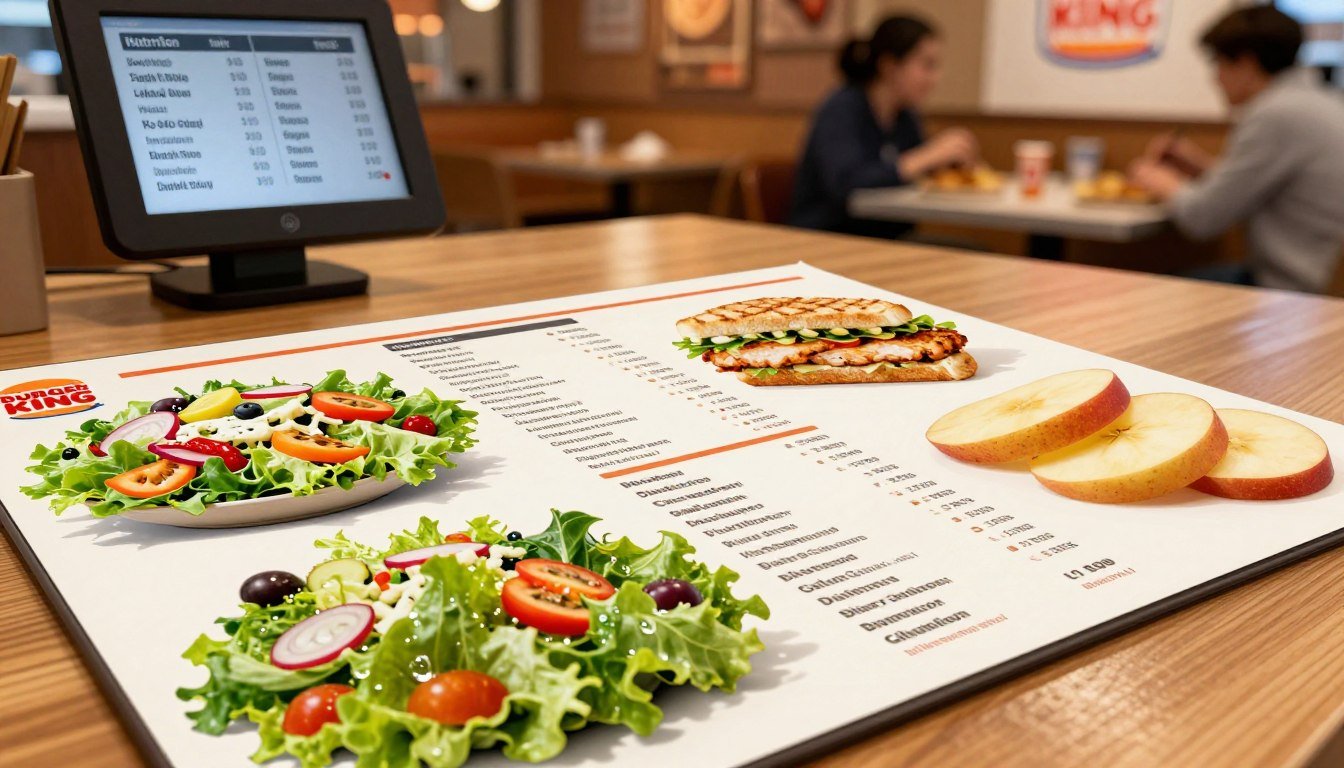
Customers can access Burger King’s nutrition information both in-store and online. In-store, nutrition facts are typically displayed on posters or available upon request. Online, Burger King’s official website provides a comprehensive nutrition guide, listing detailed nutritional information for all menu items.
Understanding Nutrition Labels and Allergen Information
Burger King’s nutrition labels are designed to be clear and easy to understand. They include essential information such as calorie count, macronutrients, and allergen warnings. Understanding these labels helps customers identify potential allergens and make choices that fit their dietary needs.
Using the BK App for Nutritional Tracking
The BK app offers a convenient way to track nutritional information. By using the app, customers can view nutrition facts for menu items, helping them to plan their meals more effectively. The app also allows for customization of orders to suit dietary preferences.
Some key features of the BK app include:
- Detailed nutrition information for all menu items
- Customization options to suit dietary needs
- Ease of use for tracking nutritional content
By leveraging these resources, Burger King customers can enjoy their favorite meals while maintaining a balanced diet.
Healthiest Burger Options at Burger King
You don’t have to sacrifice taste for nutrition when choosing a burger at Burger King. The fast-food chain has introduced several options that cater to the health-conscious consumer without compromising on flavor.
Whopper Jr. and Other Lower-Calorie Burger Choices
The Whopper Jr. is a popular choice for those looking to reduce their calorie intake. With fewer calories than the original Whopper, it’s a more waistline-friendly option. Other lower-calorie choices include burgers with smaller patties or fewer toppings.
Customization Tips for Reducing Calories and Fat
Customizing your burger is a great way to make it healthier. Consider removing high-calorie toppings like mayonnaise and cheese, or opting for a smaller portion of fries or a side salad instead.
“The key to a healthier burger is moderation and smart choices.”
Plant-Based Alternatives: Nutritional Profile of the Impossible Whopper
The Impossible Whopper is a game-changer for vegetarians and those looking to reduce their meat intake. Made with a plant-based patty, it offers a similar taste experience to the original Whopper but with different nutritional benefits.
Comparing Traditional vs. Plant-Based Protein Sources
When it comes to protein sources, traditional beef patties and plant-based patties have different nutritional profiles. Here’s a comparison:
| Nutritional Aspect | Traditional Beef Patty | Plant-Based Patty |
|---|---|---|
| Calories | 240 | 240 |
| Protein | 13g | 19g |
| Fat | 18g | 14g |
As shown, both options have their advantages. The plant-based patty offers more protein and less fat, making it a healthier alternative for some consumers.
Nutritious Chicken and Fish Selections
When it comes to nutritious meal choices, Burger King’s chicken and fish selections stand out. These protein-rich options can be part of a balanced diet, offering various health benefits.
Grilled Chicken Options and Their Nutritional Benefits
Grilled chicken is a popular choice at Burger King, offering a leaner protein option compared to fried alternatives. The grilled chicken sandwich is a notable menu item, providing a good amount of protein while being relatively low in calories when consumed without the bun or sauces. Choosing grilled over fried chicken can significantly reduce calorie and fat intake.
Fish Selections: Omega-3 Content and Overall Nutrition
Burger King’s fish options, such as the Big Fish Sandwich, are not only a good source of protein but also contain omega-3 fatty acids, which are beneficial for heart health. While the nutritional value can vary based on preparation methods and sauces, opting for fish can be a healthier alternative to beef or pork.
How to Modify Chicken Orders for Better Macronutrient Balance
To make chicken orders healthier, consider modifications such as removing the bun, skipping high-calorie sauces, or adding vegetables. For instance, adding lettuce, tomato, and onion can enhance the nutritional value without significantly increasing calorie count. Being mindful of portion sizes and customizing orders can help achieve a better macronutrient balance.
By making informed choices, such as opting for grilled chicken and being cautious with sauces and sides, customers can enjoy Burger King’s chicken and fish selections as part of a nutritious meal.
Breakfast Menu: Healthier Morning Choices
Burger King has revamped its breakfast menu to cater to the growing demand for healthier fast food. This shift is evident in their diverse range of breakfast items, designed to meet various dietary needs and preferences.
Protein-Rich Egg-Based Breakfast Items
Burger King’s breakfast menu includes several egg-based items that are high in protein, essential for a nutritious start to the day. The egg and cheese croissan’wich is a popular choice, offering a good balance of protein and calcium. For those looking for a lower-calorie option, the egg on a whole-grain English muffin is a great alternative.
Lower-Calorie Breakfast Sandwiches and Wraps
For health-conscious customers, Burger King offers lower-calorie breakfast sandwiches and wraps. The grilled chicken breakfast sandwich on a toasted bun is a lean protein option. Additionally, opting for whole-grain wraps or English muffins can further reduce calorie intake.
Breakfast Sides and Beverages: Making Smarter Choices
When it comes to breakfast sides and beverages, making informed choices can significantly impact the nutritional value of your meal. Instead of hash browns, consider a side salad or fresh fruit if available. For beverages, choosing unsweetened coffee or tea can help reduce sugar intake, while low-fat milk or 100% fruit juice can be healthier alternatives to sugary drinks.
By making these smarter choices, customers can enjoy a satisfying and nutritious breakfast at Burger King, aligning with their dietary goals and preferences.
Salads and Vegetable-Forward Options
While Burger King is famous for its Whoppers, the chain also caters to customers seeking nutritious options with its salads and vegetable-based meals. These choices allow for a lighter, yet satisfying meal that doesn’t compromise on flavor.
Garden Salad Nutritional Breakdown
Burger King’s Garden Salad is a fresh mix of lettuce, tomatoes, cucumbers, and carrots, topped with cheese and croutons. The base salad contains approximately 150 calories, making it a relatively low-calorie option.
| Nutrient | Amount per serving |
|---|---|
| Calories | 150 |
| Fat | 8g |
| Carbohydrates | 15g |
| Protein | 5g |
Dressing Choices and Their Caloric Impact
The choice of dressing can significantly alter the nutritional profile of the salad. For instance, a creamy dressing can add up to 200 calories or more per serving. Opting for a lighter vinaigrette can help keep the calorie count lower.
Incorporating More Vegetables into Your Burger King Order
Customers can enhance their meal by adding vegetables. For example, adding lettuce, tomato, and onion to a sandwich or burger can increase the nutrient density without significantly adding calories. 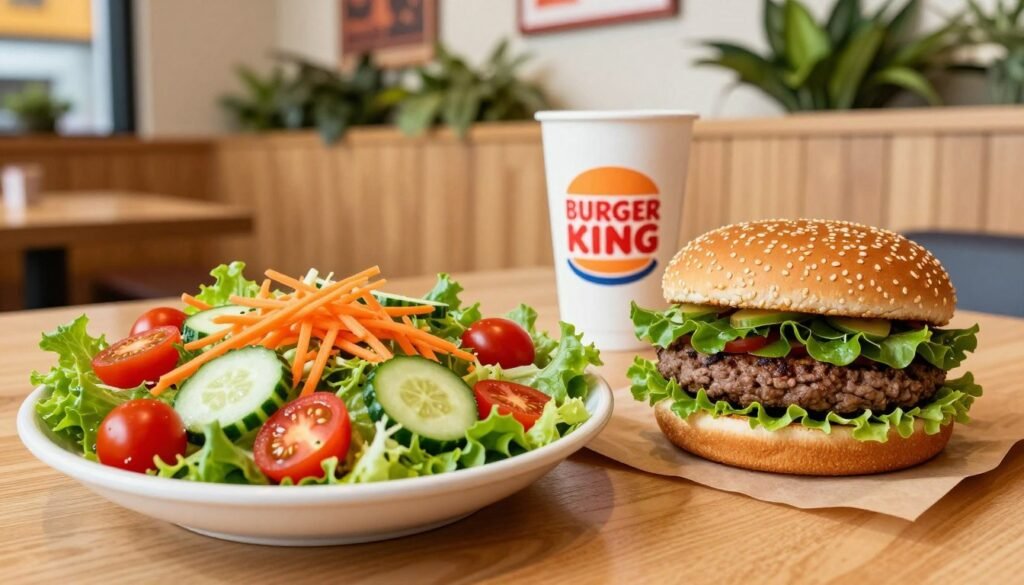
By making informed choices about salads, dressings, and additional vegetables, customers can enjoy a meal at Burger King that aligns with their nutritional goals.
Best Burger King Items for Optimal Macronutrients
For those tracking their macronutrient intake, Burger King provides several nutritious options worth considering. The key is to identify menu items that offer a balanced mix of protein, carbohydrates, and fats. Here’s a breakdown of the best choices for achieving optimal macronutrient balance.
High-Protein Options Under 500 Calories
Burger King offers several high-protein options that are under 500 calories, making them ideal for those looking to boost their protein intake without excessive calories. Some top choices include:
- The Grilled Chicken Sandwich without mayo, providing about 30 grams of protein for approximately 380 calories.
- The Impossible Whopper, which offers around 25 grams of protein and is under 630 calories, though customization can reduce this further.
Lower-Carb Menu Selections
For individuals monitoring their carbohydrate intake, Burger King has several lower-carb options:
- The Whopper Jr. without the bun, significantly reducing carb content.
- Salads with protein like chicken or bacon, though be mindful of the dressing.
Balanced Fat Sources on the Menu
While fats are an essential part of a balanced diet, it’s crucial to choose the right types. Burger King offers:
- The Grilled Chicken Salad with avocado, providing healthy fats.
- The Impossible Whopper, which contains healthier fat sources compared to traditional beef.
Navigating Trans Fat and Saturated Fat Content
It’s also important to be aware of less healthy fat options. While Burger King has made efforts to reduce trans fats, some items may still contain saturated fats. Opting for grilled rather than fried items can help manage fat intake.
By making informed choices, such as selecting grilled options, modifying sandwiches, and being mindful of portion sizes, you can enjoy a meal at Burger King that aligns with your macronutrient goals.
Smarter Side Dishes and Accompaniments
When dining at Burger King, making smart choices about side dishes can significantly impact the nutritional value of your meal. While burgers are often the main focus, the right side dishes can enhance or detract from your overall dining experience.
Beyond French Fries: Alternative Side Options
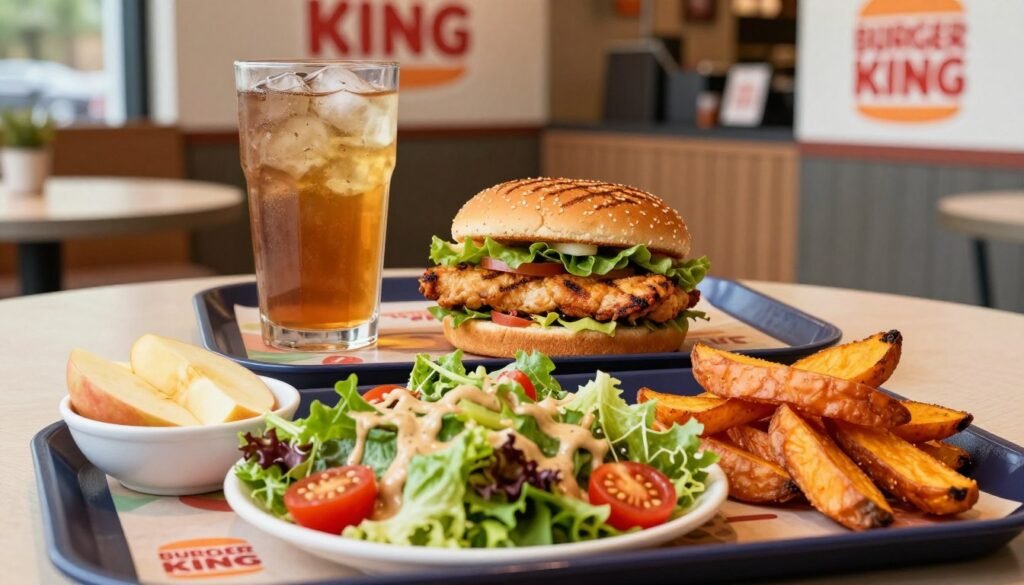
Burger King offers several alternatives to French fries that can make your meal healthier. The Garden Salad is a nutritious option, providing essential vitamins and minerals. You can also consider the Side Salad or Apples Slices as lower-calorie alternatives.
For those looking for something a bit different, Burger King’s Mott’s Apple Slices are a great choice, offering a serving of fruit without added sugars.
Portion Control Strategies for Traditional Sides
For those who still want to enjoy traditional sides like French fries, portion control is key. Opting for a smaller size can significantly reduce calorie intake. Another strategy is to share a larger portion with someone else, effectively halving your consumption.
“Moderation is key when it comes to enjoying your favorite sides without compromising your dietary goals.”
Combining Sides for Better Nutritional Balance
Combining different side dishes can help achieve a better nutritional balance. For example, pairing a smaller serving of French fries with a side salad can provide a mix of carbohydrates and essential nutrients.
By being mindful of your side dish choices and portion sizes, you can enjoy a more balanced meal at Burger King. Consider exploring the various Burger King menu options to find the combinations that work best for your dietary needs.
Beverages: Making Healthier Hydration Choices
Choosing the right drink at Burger King can complement your meal and support a healthier eating experience. With a variety of beverages available, customers can make informed choices that align with their dietary goals.
Zero-Calorie and Low-Sugar Drink Options
Burger King offers several zero-calorie and low-sugar drink options that can help reduce overall calorie intake. These include diet sodas, unsweetened iced tea, and water. Opting for these beverages can be a healthier alternative to sugary drinks.
Coffee and Tea Nutrition Facts
Coffee and tea are popular beverage choices at Burger King. A standard cup of coffee is virtually calorie-free, while tea options can vary depending on added sweeteners or creamers. Unsweetened tea is a low-calorie choice that can be enjoyed without significantly impacting your Burger King calorie count.
The Impact of Beverage Choices on Overall Meal Nutrition
The beverages you choose can significantly affect the overall nutritional value of your meal. Selecting low-calorie drinks can help balance your meal, especially when paired with higher-calorie food items. Being mindful of Burger King nutritional values for beverages is key to making healthier choices.
Special Dietary Needs at Burger King
Burger King provides options for customers with special dietary needs. The fast-food chain has evolved to cater to various dietary requirements, ensuring that everyone can enjoy their meals.
Gluten-Sensitive Menu Options
For those with gluten intolerance or sensitivity, Burger King offers several gluten-friendly options. While not all gluten-free, these items are designed to be lower in gluten or gluten-free.
- The Impossible Whopper (without the bun)
- Grilled chicken salads
- Many of their sides, like apples and fries (though fries may contain gluten due to cross-contamination)
Vegetarian and Vegan Possibilities
Burger King has introduced vegetarian and vegan options to cater to plant-based diets.
- The Impossible Whopper, a vegetarian version of their signature sandwich
- Salads with vegan dressing options
Lower-Sodium Selections for Heart Health
For customers concerned about sodium intake, Burger King provides lower-sodium alternatives.
- Grilled chicken sandwiches without sauces
- Side salads with low-sodium dressings
Keto-Friendly and Low-Carb Choices
For those following a keto or low-carb diet, Burger King offers several suitable options.
- Burgers without the bun
- Chicken or fish sandwiches without the bun
- Salads with protein like chicken or bacon
By providing these options, Burger King demonstrates its commitment to catering to diverse dietary needs, ensuring that all customers can enjoy a meal that fits their nutritional requirements.
Conclusion: Enjoying Burger King While Maintaining Nutritional Goals
Burger King’s menu offers a variety of options that can fit into a healthy diet when chosen wisely. By understanding the Burger King Nutrition Menu, customers can make informed decisions that align with their nutritional goals.
Healthy Choices at Burger King include lower-calorie burgers, grilled chicken options, and salads with careful dressing selections. The Impossible Whopper is another alternative for those looking for a plant-based meal.
To maintain nutritional balance, customers can customize their orders, opting for modifications such as reducing sauce or cheese. The BK app also provides a useful tool for tracking nutritional information.
By being mindful of menu choices and utilizing the resources available, such as nutrition labels and the BK app, customers can enjoy Burger King as part of a balanced diet. This approach empowers individuals to make healthier choices without sacrificing flavor or convenience.