Burger King’s Allergen-Friendly Menu: Your Guide
Burger King has taken significant steps to accommodate customers with dietary restrictions, offering a range of allergen-friendly menu options. This guide provides an overview of their efforts and highlights the key features of their allergen-friendly menu.
As a customer with dietary restrictions, it’s essential to know what options are available. Burger King’s commitment to providing a safe and enjoyable dining experience is evident in their menu. This guide will walk you through the allergen-friendly choices available, ensuring that you can make informed decisions.
Key Takeaways
- Overview of Burger King’s allergen-friendly menu
- Key features of their allergy-friendly options
- Tips for navigating the menu safely
- Understanding Burger King’s commitment to dietary restrictions
- How to make informed choices when dining
Understanding Food Allergies and Dining Out
Dining out can be challenging for individuals with food allergies, but understanding common allergens can make a significant difference. Food allergies affect a significant portion of the population, and being aware of the potential allergens in restaurant food is crucial for safe dining.
Common Food Allergens to Be Aware Of
Food allergies occur when the body’s immune system reacts to certain foods. The most common food allergens are categorized into groups, with some being more prevalent than others.
The “Big 8” Food Allergens
The “Big 8” food allergens are:
- Milk
- Eggs
- Fish
- Shellfish
- Tree Nuts
- Peanuts
- Wheat
- Soy
These allergens are responsible for the majority of food allergy reactions and are often the focus of allergen-friendly initiatives.
Other Common Sensitivities
Beyond the “Big 8,” other common sensitivities include gluten intolerance and sesame allergy. Being aware of these can further enhance dining safety.
Challenges of Fast Food Dining with Allergies
Dining at fast-food chains like Burger King presents unique challenges for those with food allergies. Cross-contamination and menu complexity can increase the risk of exposure to allergens.
“For individuals with severe food allergies, even a small amount of an allergen can cause a serious reaction. It’s crucial for restaurants to have protocols in place to minimize cross-contamination.”
Understanding these challenges is key to safely navigating fast-food menus.
| Allergen | Common Sources | Precautions |
|---|---|---|
| Milk | Dairy products, cheese, milkshakes | Avoid dairy products, check ingredient labels |
| Eggs | Eggs, baked goods, mayonnaise | Avoid eggs, check baked goods ingredients |
| Peanuts | Peanut butter, nuts, Asian dishes | Avoid peanuts, check ingredient labels |
Burger King’s Approach to Food Allergies
Recognizing the critical nature of food allergies, Burger King has adopted a proactive stance on allergen management. This approach is designed to provide a safe dining experience for customers with food allergies.
Allergen Policies and Commitments
Burger King has implemented strict allergen policies to minimize the risk of cross-contamination. These policies include thorough ingredient sourcing and regular staff training on allergen awareness.
Cross-Contamination Considerations
Cross-contamination is a significant concern in any kitchen. Burger King addresses this through:
- Regular cleaning and sanitizing of kitchen surfaces and equipment
- Proper storage and handling of ingredients to prevent mix-ups
Kitchen Practices
Burger King’s kitchen practices are designed to reduce the risk of cross-contamination. This includes separating allergenic ingredients and using dedicated equipment when possible.
Shared Equipment Concerns
While Burger King takes precautions, shared equipment can still pose a risk. Customers with severe allergies should be aware of this when ordering.
| Allergen | Precautions Taken |
|---|---|
| Peanuts | Dedicated storage and handling |
| Tree Nuts | Regular cleaning of equipment |
| Gluten | Separate preparation areas |
Accessing the Burger King Allergen Menu
Burger King prioritizes customer health by making its allergen menu available through various channels. This ensures that customers with dietary restrictions can make informed choices about their meals.
In-Restaurant Resources
For customers dining in, Burger King restaurants provide allergen information posters or brochures. These resources are typically located near the ordering area or available upon request.
Online Allergen Information Tools
On the Burger King website, customers can find detailed allergen information for their menu items. This includes a comprehensive list of ingredients and potential allergens.
Burger King App Allergen Features
The Burger King app offers an intuitive way to access allergen information. Customers can view menu items along with their respective allergen warnings, making it easier to order safely.
By providing multiple access points to allergen information, Burger King demonstrates its commitment to customer safety and satisfaction.
Burger King Allergen Menu: Complete Breakdown
Understanding the allergens present in Burger King’s menu items is crucial for those with food allergies. Burger King provides a detailed allergen menu to help customers make informed decisions about their meals.
Top 8 Allergens in Burger King Products
The top 8 allergens that Burger King considers in their menu items are milk, eggs, fish, shellfish, tree nuts, peanuts, wheat, and soybeans. These allergens are commonly associated with severe food reactions.
| Allergen | Menu Items |
|---|---|
| Milk | Shakes, Cheeseburgers |
| Eggs | Breakfast Sandwiches, Omelets |
| Fish | Fish Sandwich |
| Shellfish | Not commonly found |
| Tree Nuts | Salads, Desserts |
| Peanuts | Not commonly found |
| Wheat | Buns, Breaded Items |
| Soybeans | Some Burgers, Salads |
Lesser-Known Allergens in Menu Items
Beyond the top 8 allergens, Burger King’s menu includes other potential allergens such as sesame and certain food colorings. It’s essential for customers with less common allergies to remain vigilant.
How to Read Burger King’s Allergen Charts
Burger King provides allergen charts to help customers understand the presence of allergens in their menu items. These charts use specific symbols to indicate the presence of certain allergens.
Symbol Meanings
The symbols used in Burger King’s allergen charts are designed to be clear and easy to understand. For instance, a specific symbol may indicate the presence of gluten or dairy.
Ingredient Lists
In addition to the allergen charts, Burger King provides detailed ingredient lists for their menu items. These lists allow customers to scrutinize the ingredients and make informed choices.
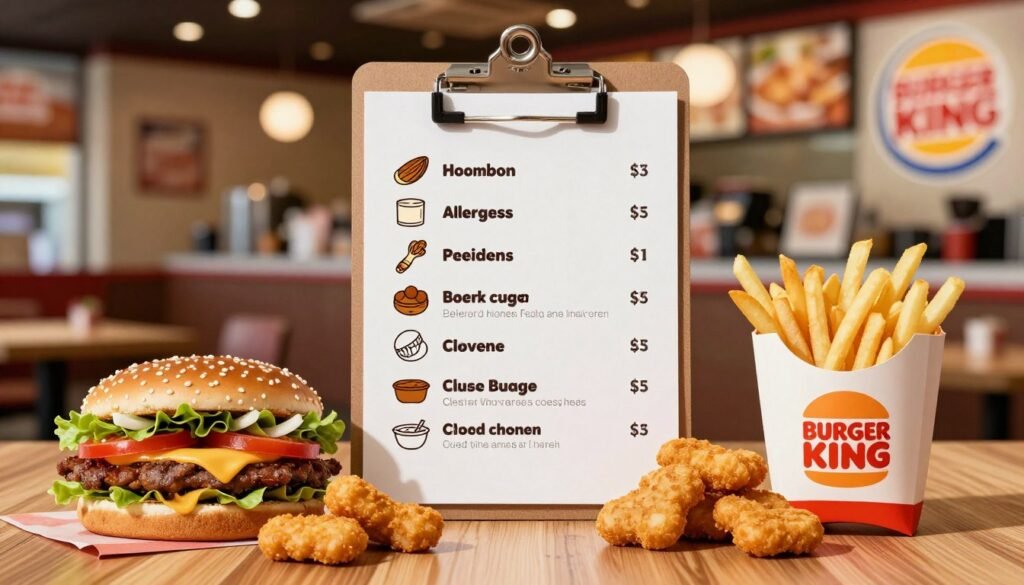
By understanding the information provided in Burger King’s allergen menu, customers with food allergies can enjoy a safer dining experience. Always check the latest information on the Burger King website or at a restaurant location.
Navigating Burger Options for Allergy Sufferers
Navigating the Burger King menu with food allergies requires some knowledge, but with the right information, it’s entirely possible to enjoy a meal there. Burger King’s commitment to providing allergen information helps customers make safe choices.
Beef Patty Allergen Information
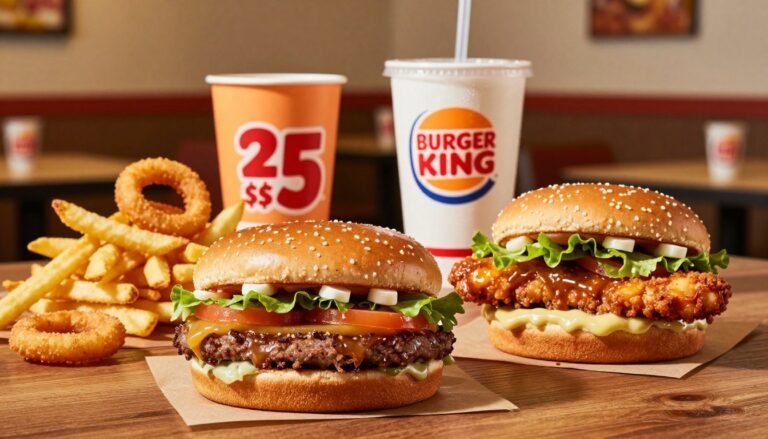
Burger King’s beef patties are made from beef and contain no fillers or artificial preservatives. However, they are cooked in the same kitchen as other menu items that may contain common allergens like wheat, soy, and milk.
Beef Patty Ingredients: Beef, Salt, Pepper
Bun and Bread Allergen Considerations
Standard Bun Ingredients
The standard buns at Burger King contain wheat, sesame, and egg. For those with gluten intolerance or sensitivity, this is an important consideration.
Specialty Bread Options
Burger King offers specialty bread options that may have different allergen profiles. For example, their pretzel buns contain wheat and sesame.
| Bread Type | Allergens |
|---|---|
| Standard Bun | Wheat, Sesame, Egg |
| Pretzel Bun | Wheat, Sesame |
Allergen-Free Burger Customization Options
To customize a burger that meets specific dietary needs, customers can modify their order. For example, asking for no bun or substituting certain ingredients can help avoid allergens.
By understanding the ingredients and preparation methods used at Burger King, individuals with food allergies can enjoy a safe and satisfying meal.
Chicken and Fish Items: Allergen Guide
When it comes to dining out with food allergies, Burger King’s chicken and fish items can be a safe and enjoyable option if you know what to look out for. Burger King provides detailed allergen information to help customers make informed choices about their meals.
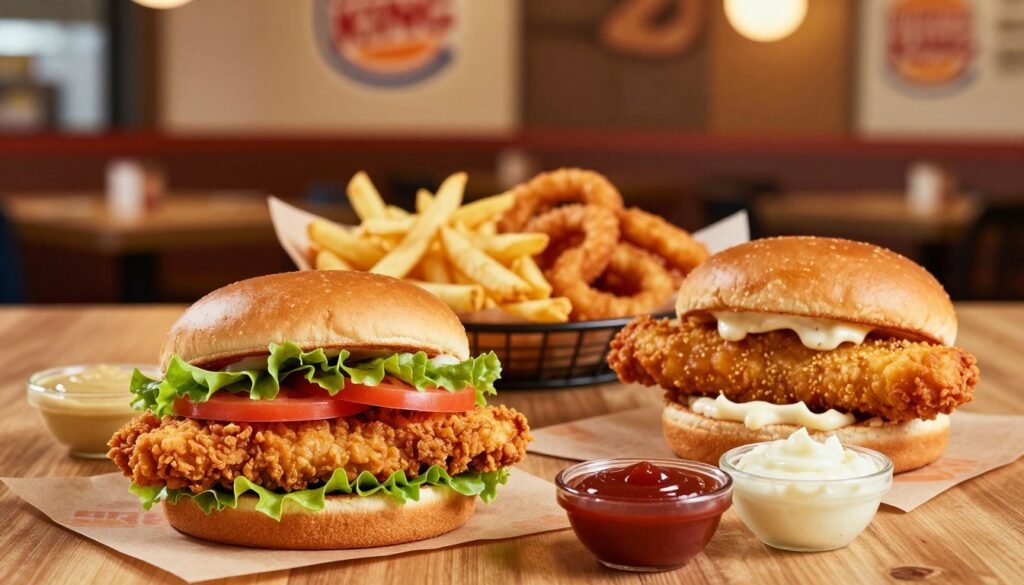
Chicken Products and Common Allergens
Burger King’s chicken products, including nuggets, tenders, and sandwiches, contain various ingredients that may trigger allergic reactions. It’s essential to be aware of these potential allergens.
Nuggets and Tenders
The breading on Burger King’s chicken nuggets and tenders contains wheat and milk ingredients, making them a concern for those with gluten intolerance or dairy allergies. Additionally, the cooking process may involve cross-contamination with other allergens.
Chicken Sandwiches
Chicken sandwiches at Burger King typically include a breaded and cooked chicken patty. The bun and breading contain gluten, and the cooking process may involve shared equipment with other allergenic foods.
Fish Options and Allergen Information
Burger King’s fish options, such as the Big Fish Sandwich, contain fish as the primary ingredient. While fish is a common allergen, the breading on these items also contains wheat and may be cooked in oil that has been used for other menu items.
Breading and Coating Ingredients to Watch
The breading on Burger King’s chicken and fish items often includes ingredients like wheat flour, milk, and egg. Customers with allergies to these ingredients should exercise caution. For those looking for gluten-free options, Burger King provides some alternatives, but it’s crucial to verify the ingredients and cooking procedures.
Sides, Beverages, and Desserts
When dining at Burger King, understanding the allergen information for sides, beverages, and desserts is crucial for those with food sensitivities. While the main course often gets the most attention, these additional menu items can pose significant allergen risks if not properly managed.
French Fries and Potato Products
Burger King’s French fries are a popular side item, but they contain wheat and milk allergens due to the cooking process and seasonings used. It’s essential for customers with wheat or dairy allergies to be aware of this when ordering.
Salads and Vegetable Options
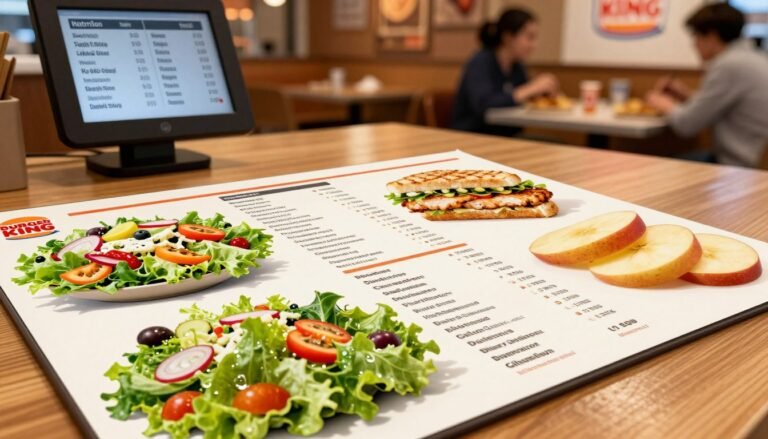
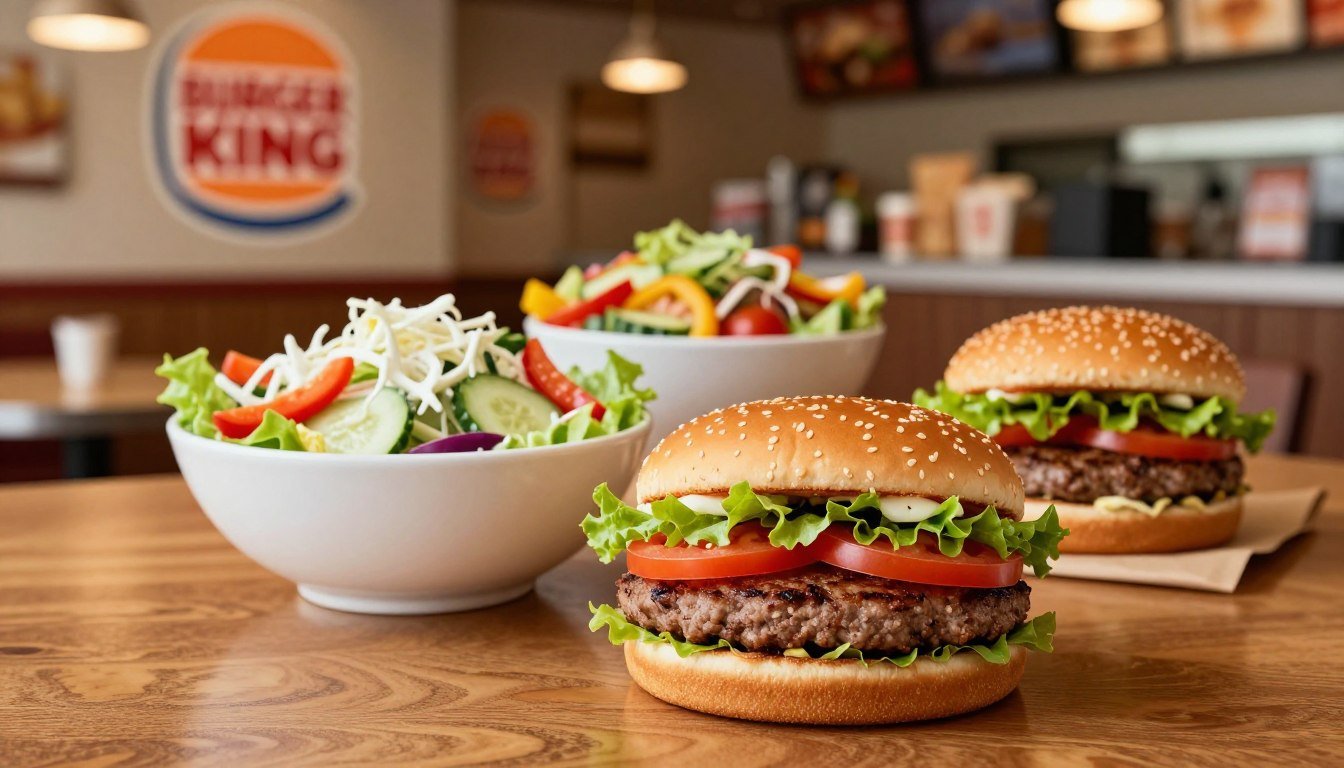
Salads can be a safer option for those with certain food allergies, but it’s crucial to consider the dressings and toppings used. Burger King provides allergen information for their salads, which can help customers make informed choices.
Dipping Sauces and Dressings
Dipping sauces and dressings can be significant sources of hidden allergens. For example, some sauces may contain egg or soy. Burger King’s allergen charts can help identify these potential allergens.
Beverage Allergen Information
Beverages are another area where allergens can be present.
Fountain Drinks
Fountain drinks at Burger King typically do not contain common allergens, but cross-contamination is possible.
Shakes and Specialty Drinks
Shakes and specialty drinks often contain dairy, making them unsuitable for those with dairy allergies.
Dessert Menu Allergen Concerns
Desserts, such as ice cream and pies, can contain multiple allergens, including dairy, egg, and wheat. Burger King’s dessert menu requires careful consideration for those with food allergies.
By understanding the allergen information for Burger King’s sides, beverages, and desserts, customers with food sensitivities can make more informed choices and enjoy a safer dining experience.
Breakfast Menu Allergen Information
For individuals with food allergies, navigating Burger King’s breakfast menu requires careful consideration of the ingredients used in their morning dishes. Burger King offers a variety of breakfast items, but it’s crucial to understand the potential allergens in each.
Egg-Based Breakfast Items
Egg-based breakfast items are a staple at Burger King. Their omelets and scrambled eggs are made with fresh eggs, but it’s essential to note that these items are prepared in a kitchen where cross-contamination with other allergens like milk, soy, and wheat can occur. If you have an egg allergy, it’s best to avoid these items altogether.
Breakfast Breads and Pastries
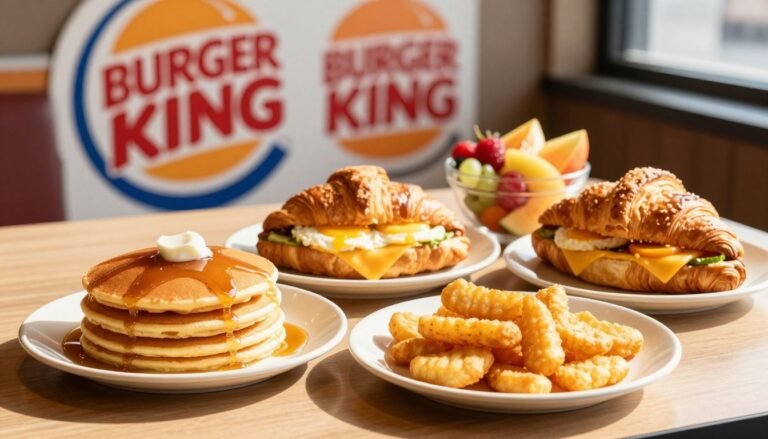
Breakfast breads and pastries, such as croissants and muffins, often contain common allergens like wheat, milk, and sometimes nuts. For instance, their croissants are made with butter and contain gluten, making them unsuitable for those with wheat allergies or intolerances. Always check the allergen charts or ask staff for specific ingredient information.
Breakfast Meat Products
Breakfast meat products like bacon, sausage, and ham are generally free from common allergens like nuts and shellfish. However, they are often cooked on shared equipment with other menu items, risking cross-contamination. It’s also worth noting that some sausage products may contain fillers or seasonings that include allergens like soy or wheat.
Morning Beverage Options
Morning beverages, including coffee, tea, and juices, are typically safe from major allergens. However, some flavored drinks or milk-based beverages may contain dairy or other allergens. For example, adding cream or milk to coffee introduces dairy, a common allergen. Always specify your beverage preferences and any allergies when ordering.
By being informed about the ingredients and potential allergens in Burger King’s breakfast menu, individuals with food allergies can make safer choices and enjoy their meal with confidence.
Navigating Specific Dietary Restrictions
For those with specific dietary requirements, Burger King provides a range of choices. Understanding the options available is crucial for a safe and enjoyable dining experience.
Gluten-Free Options at Burger King
Burger King offers several gluten-free options, although it’s essential to note that cross-contamination can occur. The Impossible Whopper without the bun is a popular choice. Additionally, salads without croutons are another gluten-free alternative.
Dairy-Free Menu Choices
For those avoiding dairy, Burger King’s menu includes non-dairy milk alternatives for beverages. The plant-based Impossible Whopper patty is also dairy-free, making it a suitable option.
Nut Allergy Considerations
Burger King takes nut allergies seriously. While their menu items are generally nut-free, they do acknowledge the risk of cross-contamination. It’s advisable to inform the staff about any nut allergies.
Soy and Wheat Allergen Information
Soy and wheat are common allergens found in various Burger King menu items. The buns contain wheat, and some menu items, like certain sauces, may contain soy. Detailed allergen information is available on their website.
Vegetarian and Vegan Allergen Concerns
Burger King caters to vegetarians and vegans with options like the Impossible Whopper. However, it’s crucial to check the ingredients and preparation methods to ensure they meet specific dietary needs.
| Dietary Need | Burger King Options | Precautions |
|---|---|---|
| Gluten-Free | Impossible Whopper without bun, salads without croutons | Risk of cross-contamination |
| Dairy-Free | Non-dairy milk, Impossible Whopper patty | Check beverage and food preparation |
| Nut Allergy | Generally nut-free menu items | Inform staff, risk of cross-contamination |
| Soy and Wheat Allergy | Avoid buns and certain sauces | Check allergen information online |
| Vegetarian/Vegan | Impossible Whopper, salads | Check ingredients and preparation |
By understanding these options and taking necessary precautions, customers with dietary restrictions can enjoy a meal at Burger King. Always verify the latest information through their official channels or by asking staff.
Tips for Safely Ordering with Food Allergies
For individuals with food allergies, understanding how to order safely at Burger King is crucial for an enjoyable dining experience. With a comprehensive allergen menu and knowledgeable staff, Burger King strives to accommodate customers with dietary restrictions.
Communicating Your Needs Effectively
Clear communication is key when ordering with food allergies. It’s essential to inform the staff about your specific allergy and ask questions about menu items.
Phrases to Use When Ordering
- “I have a food allergy. Can you tell me which menu items are safe?”
- “Does this item contain any of the top 8 allergens?”
- “Can you check the ingredients for me?”
When to Speak with a Manager
If you’re unsure about the information provided by the staff or feel that your concerns are not being adequately addressed, it’s best to ask to speak with a manager. They can provide additional guidance and ensure that your meal is prepared safely.
Best Times to Visit for Allergen Concerns
Visiting during off-peak hours can reduce the risk of cross-contamination. Burger King staff may be less rushed, allowing for more thorough communication about your allergy needs.
| Best Time to Visit | Reason |
|---|---|
| Early morning | Less crowded, staff is more attentive |
| Weekdays | Avoids weekend rush |
Special Handling Requests
Don’t hesitate to ask for special handling if you have a severe food allergy. Burger King’s staff can take precautions such as preparing your meal in a dedicated area to minimize cross-contamination.
“I’ve had a great experience at Burger King with my food allergy. The staff is always willing to accommodate my needs.” – A satisfied customer
Emergency Preparedness While Dining Out
Always carry your emergency medication with you, such as an EpiPen, and know what to do in case of an allergic reaction. It’s also a good idea to inform your dining companions about your allergy and what they can do to help.
Conclusion: Enjoying Burger King with Dietary Restrictions
Dining out with food allergies or dietary restrictions can be challenging, but Burger King’s allergen-friendly menu makes it easier. By understanding the allergens present in their menu items, you can make informed choices and enjoy your meal with confidence.
Burger King provides detailed allergen information, allowing you to navigate their menu with ease. From burgers to breakfast items, their menu is designed to cater to various dietary needs. By utilizing the allergen information available on their website, mobile app, or in-restaurant resources, you can plan your meal according to your specific requirements.
With Burger King’s commitment to allergen safety and transparency, you can trust that your meal is prepared with care. Whether you’re looking for gluten-free, dairy-free, or other options, Burger King’s menu has something for everyone. So, the next time you’re craving a delicious meal, consider visiting Burger King and enjoy their allergen-friendly menu options.